The Interplay of Tiered Incentives and Portable Access Features in Shaping Oversight Protocols for Remote Card adn Reel Activities
Geschrieben von Logan Becker · 7.9.2026

The Interplay of Tiered Incentives and Portable Access Features in Shaping Oversight Protocols for Remote Card adn Reel Activities
Remote card and reel activities encompass online poker tables along with digital slot machines, and tiered incentives combined with portable access features now drive many regulatory frameworks that govern these platforms. Tiered incentive programs typically award escalating benefits such as bonus credits, cashback percentages, and exclusive tournament entries as players accumulate activity points, while portable access allows users to engage through smartphones and tablets with features like real-time notifications and account synchronization across devices. Regulators in multiple jurisdictions examine these elements together because incentive structures can accelerate play volume and portable features expand the hours when users participate, both of which increase the need for continuous transaction monitoring and identity verification protocols.
Tiered Incentive Structures in Remote Environments
Operators design tiered systems so that entry-level participants receive basic rewards while higher tiers unlock personalized offers based on wagering volume and session frequency, and these programs generate large data sets that oversight bodies review for patterns indicating excessive play or money laundering risks. Data compiled by state regulators shows that players who reach mid-tier status often increase their average session length by measurable margins, prompting agencies to require operators to embed responsible gambling prompts directly into the reward notification process. Portable access amplifies this dynamic because users receive tier-progress alerts on mobile devices throughout the day, which can extend engagement beyond traditional desktop sessions and therefore requires updated logging standards that capture device identifiers and geolocation stamps at each login.
Portable Access Features and Their Regulatory Implications
Portable access relies on applications that support biometric login, instant deposits, and cross-device progress tracking, and regulators have responded by mandating that these applications include automated session timers and spending limit alerts that activate regardless of the access point. In September 2026 several North American and European licensing authorities updated their technical standards to require operators to transmit portable-session data in standardized formats so that central monitoring systems can flag unusual activity across multiple devices belonging to the same account. Observers note that such requirements emerged after reports indicated higher dispute volumes involving mobile-initiated transactions, leading agencies to insist on clearer audit trails that link each reward redemption to the specific device and location used at the time of play.
Integration of Incentives with Access Controls
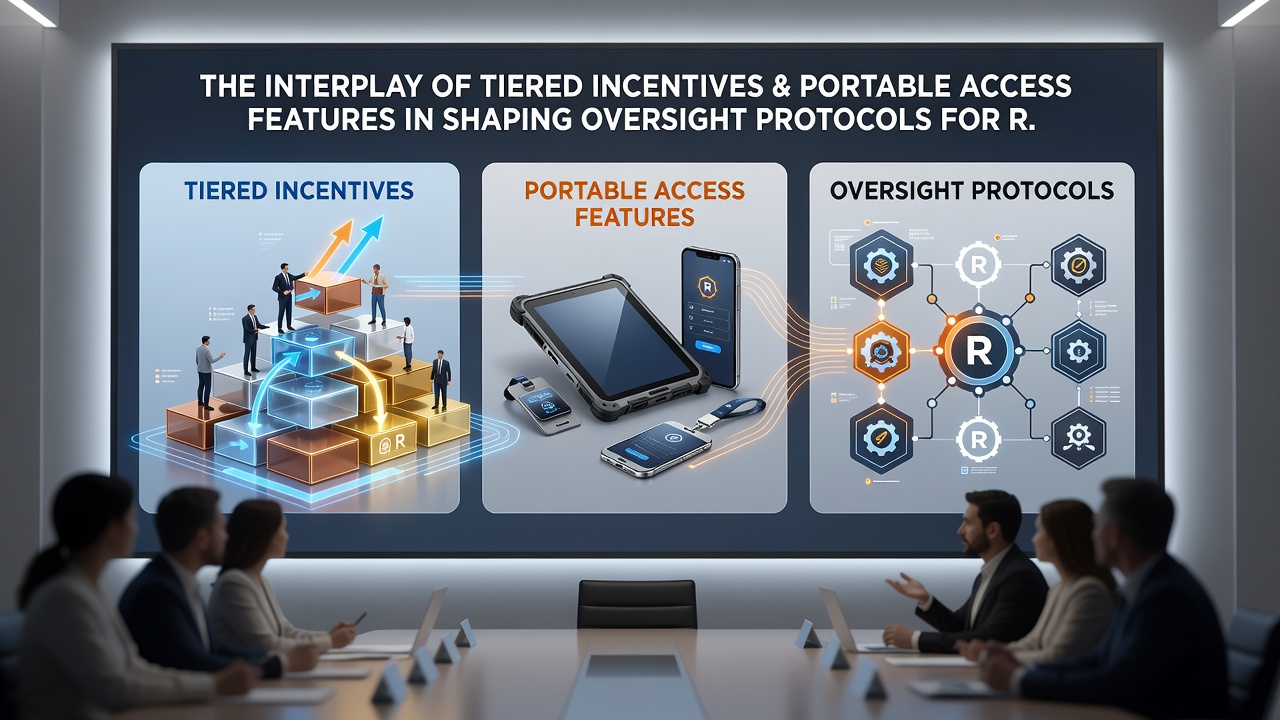
When tiered incentives operate through portable channels, regulators focus on ensuring that reward eligibility calculations incorporate real-time verification checks rather than relying solely on end-of-day batch processing, and this shift has produced new protocol layers that verify player identity before any bonus is applied to an account. Industry reports prepared for the Malta Gaming Authority detail how certain operators now embed geofencing rules within mobile applications so that tier benefits activate only within approved jurisdictions, thereby reducing cross-border compliance gaps that previously complicated enforcement efforts. These technical adjustments demonstrate how incentive portability and access mobility together compel regulators to move from periodic reviews toward continuous oversight architectures that evaluate both reward distribution and device-level activity in unified data streams.
Regional Regulatory Adaptations and Data Requirements
Agencies in different regions have adopted distinct yet converging approaches to these combined features, with the Nevada Gaming Control Board emphasizing server-side logging of every mobile-initiated reward claim while Australian state authorities require operators to submit quarterly analyses that correlate tier advancement rates with session-duration statistics collected from portable devices. Such reporting obligations have led software providers to develop modular compliance tools that automatically categorize transactions according to incentive tier and access method, allowing regulators to query aggregated data without requesting raw player records. The result appears in updated licensing conditions that treat portable access and tiered incentives as interdependent risk factors rather than separate operational elements, which means operators must demonstrate integrated control mechanisms during annual audits.
Research institutions studying digital gambling patterns have contributed additional context by publishing anonymized data sets that regulators reference when setting thresholds for mandatory intervention, and these studies highlight correlations between rapid tier climbs via mobile sessions and subsequent self-exclusion requests. Licensing bodies in Canada and several European markets now incorporate these findings into their evaluation criteria, requiring operators to maintain records that distinguish between desktop and mobile reward redemptions so that oversight protocols can target the access channel showing elevated risk indicators. This data-driven evolution continues as new portable features, including wearable integration and push-notification reward offers, enter testing phases in controlled markets.
Conclusion
The convergence of tiered incentives and portable access features has produced oversight protocols that prioritize real-time data integration, device-specific logging, and automated compliance checks across remote card and reel platforms. Regulatory updates implemented through 2026 reflect coordinated efforts by agencies in North America, Europe, and Australia to align technical standards with the operational realities created by mobile reward systems. These developments establish a framework in which operators must demonstrate that incentive structures and access technologies function under unified monitoring controls that support both player protection and regulatory transparency.